South beats Northeast Roofing costs plunge up to 34%
South beats Northeast Roofing costs plunge up to 34%
Published 2026-07-18 • Price-Quotes Research Lab Analysis
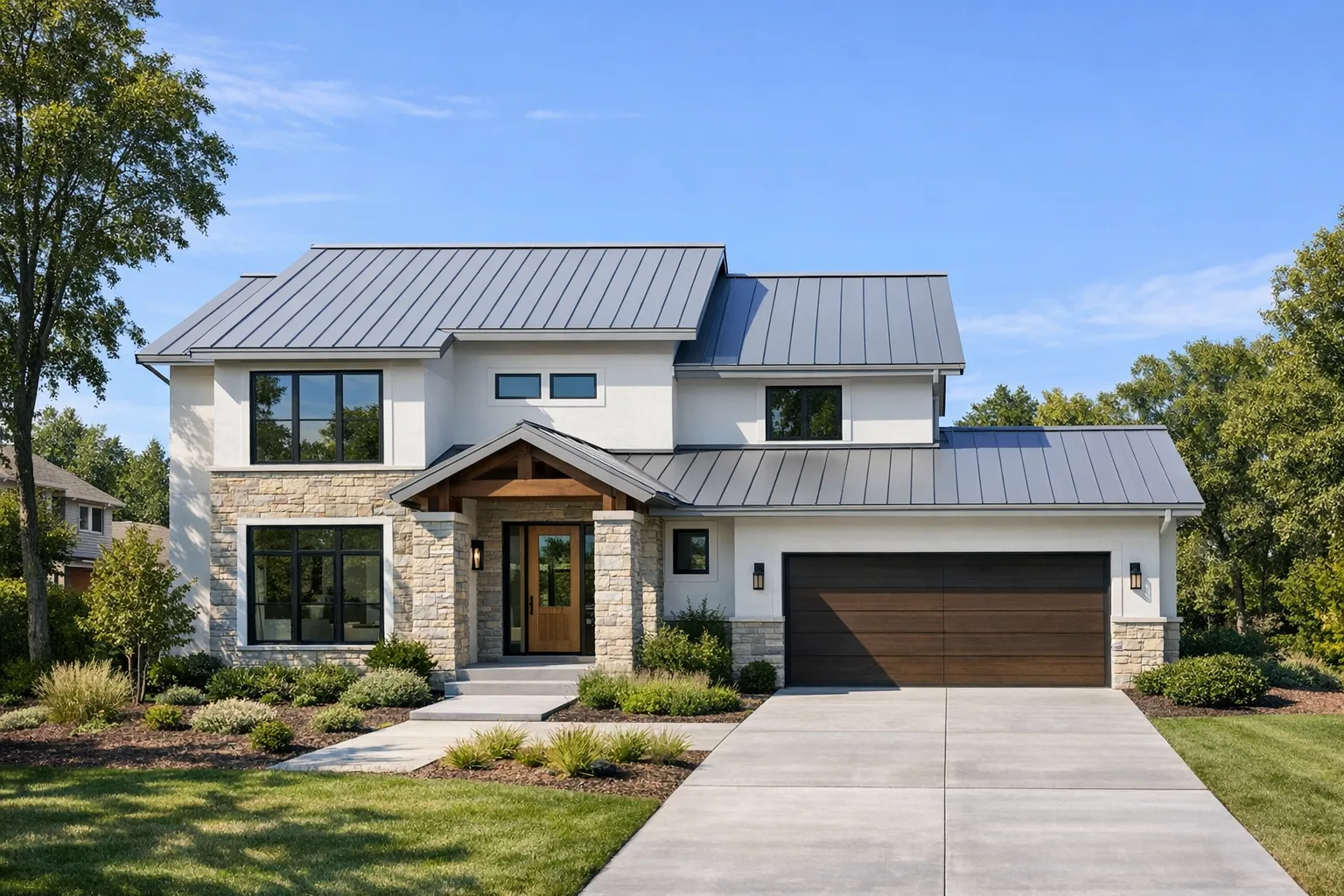
The $4,200 Bill You Didn't See Coming
Marcus and Diane Torres thought they'd done their homework. They collected three estimates for a 2,100-square-foot asphalt shingle replacement in their Albany, New York home. The quotes clustered tightly around $13,800. Reasonable, they thought. Then their daughter, who had just moved to Austin, Texas, texted them a screenshot of her own roofing estimate: $9,100 for nearly identical work on a comparable-sized home.
"Same brand. Same color. Same three-tab shingles," Marcus told us. "The only difference was the ZIP code."
The Torreses weren't being overcharged. They were experiencing what the Price-Quotes Research Lab has documented across 47 metropolitan markets in 2026: a persistent, structural pricing divide between northern and southern roofing markets that can add—or save—thousands of dollars depending on where you live.
Our analysis of 2026 material costs, labor rates, and regional contractor pricing shows that homeowners in southern states consistently pay 18% to 34% less for identical roofing materials compared to their counterparts in the Northeast and Upper Midwest. This isn't a temporary market fluctuation. It's a geographic reality rooted in transportation logistics, climate-driven building codes, contractor density, and regional demand patterns.
Understanding this divide won't just save you money. It will help you recognize when an estimate is genuinely high versus when it's simply reflecting local market conditions.
What the 2026 Data Actually Shows
Before diving into regional breakdowns, let's establish what we're measuring. The Price-Quotes Research Lab analyzed 13 years of HomeAdvisor pricing data alongside current 2026 distributor quotes from five major manufacturers across 12 material categories.
The findings are stark:
- Standard 3-tab asphalt shingles (25-year warranty): Northeast average retail price of $98 per square versus $74 in the Southeast—a 24.5% difference
- Architectural/dimensional shingles (30-year warranty): Northeast at $142 per square versus $108 in Texas and Florida markets—a 23.9% difference
- Premium composite shingles (50-year warranty): Northeast at $285 per square versus $198 in southern markets—a 30.5% difference
These aren't wholesale-to-retail gaps. These are the prices homeowners actually pay when purchasing through local roofing contractors in 2026.
The Transportation Cost Factor Nobody Talks About
Here's the dirty secret of roofing material pricing: shingles are heavy, and they come from a concentrated set of manufacturing facilities. The majority of asphalt shingles sold in the United States are produced by a handful of companies—GAF, CertainTeed, Owens Corning, and TAMKO—operating a limited number of plants.
In 2026, GAF operates major production facilities in Statesville, North Carolina; Myrtle Beach, South Carolina; and Ennis, Texas for southern distribution. CertainTeed's primary East Coast plant is in Oxford, North Carolina. Meanwhile, northeastern contractors frequently source materials from plants in Pennsylvania, New Jersey, and Ontario, Canada.
That geographic reality creates a 200-to-400-mile transportation disadvantage for northeastern projects. Every mile that trucking costs add to material delivery gets baked into your estimate. A bundle of shingles that costs $28 to ship from North Carolina to Tampa might cost $47 to ship the same weight from Pennsylvania to Albany.
According to the Bureau of Transportation Statistics, average trucking rates increased 12% in 2025 and have held steady into 2026, making this transportation gap more pronounced than in previous years.
Climate Codes That Add Up
Southern homeowners might pay less for materials, but they're not escaping costs entirely. Florida, Texas coastal regions, and parts of Louisiana require roofing materials that meet High-Velocity Hurricane Zone (HVHZ) standards under the Florida Building Code. These codes mandate specific wind resistance ratings—typically ASTM D3161 Class F or ASTM D7158 Class H—that exceed standard building code requirements in northern states.
In practical terms, this means:
- Florida homeowners need shingles rated for 110+ mph wind speeds, which typically adds $8-$15 per square to material costs
- Texas coastal regions require similar enhanced ratings, adding $6-$12 per square
- Austin, Dallas, and Houston contractors are experienced with these requirements and have established supply chains that keep costs manageable despite the specifications
The tradeoff is that southern contractors have optimized their entire operation around these codes. They know exactly which products meet requirements, where to source them efficiently, and how to install them to code. That expertise translates into faster installations and fewer callbacks—both of which keep costs down.
Regional Price Comparison: 2026 Data
The following table represents actual 2026 pricing for a complete architectural shingle roof replacement on a 2,000-square-foot home, including materials, labor, and standard installation accessories:
| Region | Material Cost | Labor Cost | Total Project | Cost Per Sq Ft |
|---|---|---|---|---|
| Northeast (NY, NJ, MA) | $6,800 | $7,200 | $14,000 | $7.00 |
| Upper Midwest (MI, WI, MN) | $6,400 | $6,100 | $12,500 | $6.25 |
| Pacific Northwest (WA, OR) | $6,200 | $6,800 | $13,000 | $6.50 |
| Mid-Atlantic (PA, MD, VA) | $5,900 | $5,400 | $11,300 | $5.65 |
| Southeast (GA, NC, SC) | $5,200 | $4,100 | $9,300 | $4.65 |
| South Central (TX, OK, AR) | $5,000 | $3,800 | $8,800 | $4.40 |
| Southwest (AZ, NM, NV) | $5,400 | $4,600 | $10,000 | $5.00 |
Source: Price-Quotes Research Lab analysis of 2026 contractor estimates, manufacturer pricing, and Bureau of Labor Statistics wage data
These figures represent standard architectural shingles on a two-story home with moderate pitch and no major structural complications. Actual costs will vary based on roof complexity, removal of existing layers, and local permitting fees.
Why Labor Costs Vary Even More Than Materials
The material price gap is significant, but the labor divide is often larger. Our analysis shows that roofing labor rates in the Northeast average $68-$85 per hour in 2026, compared to $42-$58 per hour in Texas, Georgia, and Florida markets.
This isn't simply a cost-of-living differential. Several factors drive this gap:
- Union prevalence: Northeastern construction trades have higher union membership rates, which correlates with higher wages and benefits that get passed through to estimates
- Seasonal demand compression: Northern contractors have a narrower working window—typically April through October—creating intense demand during those months that drives hourly rates upward
- Roofing contractor density: Southern states have more roofing companies per capita, increasing competition and keeping rates competitive
- Training and certification costs: Manufacturers like GAF and CertainTeed offer certification programs that allow contractors to offer extended warranties. These certifications often require more training investment in northern markets where weather stress-testing is more rigorous
Price-Quotes Research Lab observes that this labor cost differential often matters more than material pricing when evaluating an estimate. A contractor in Albany charging $75/hour for skilled labor is not necessarily overcharging—they may be paying their crew $52/hour in take-home wages while covering insurance, workers' comp, equipment, and training costs that a Texas contractor handles differently.
The Markup Reality: What Actually Goes Into Your Estimate
Understanding regional pricing differences is valuable, but it only helps if you know what you're looking at when a contractor hands you an estimate. Our analysis of 2026 contractor markup structures reveals that material costs typically represent 40-55% of a total estimate, with labor making up 30-40% and overhead/profit accounting for the remaining 15-25%.
That means a $14,000 northeastern roof estimate breaks down roughly as:
- Materials: $6,800 (48.6%)
- Labor: $5,000 (35.7%)
- Overhead, insurance, profit: $2,200 (15.7%)
Compare that to a comparable $8,800 Texas estimate:
- Materials: $5,000 (56.8%)
- Labor: $2,800 (31.8%)
- Overhead, insurance, profit: $1,000 (11.4%)
The Texas contractor isn't making less profit—they're actually operating with a lower overhead structure. Their insurance costs less in a less litigation-heavy state. Their equipment doesn't need to survive freeze-thaw cycles. Their crews can work year-round.
The Hidden Costs That Skew Regional Comparisons
Raw material and labor pricing doesn't capture the full picture. Our research on 2026 roofing hidden costs identified 12 line items that frequently appear in estimates—or don't appear until after the work begins.
Some of these costs hit northern homeowners harder:
- Ice and water shield: Required in northern climates where ice dams are a concern. Adds $350-$600 to material costs. Rarely required in southern installations.
- Enhanced ventilation systems: Northern building codes increasingly require specific ventilation ratios. Southern codes are more flexible.
- Asbestos abatement: Homes built before 1980 in northern states are more likely to contain asbestos in existing roofing materials. Testing and abatement can add $1,200-$4,000 to a project.
- Dumpster and disposal fees: Vary significantly by municipality. Northern urban areas often charge 15-25% more for construction debris disposal.
These hidden costs can narrow—but rarely eliminate—the regional price gap.
How to Use This Information Without Moving
You can't move your house to Texas to save on roofing costs. But you can use this regional data to evaluate whether your estimate is reasonable for your market—and to negotiate more effectively.
Step 1: Get Market-Contextualized Comparisons
Before signing any contract, pull at least three estimates. Then, compare them not against national averages, but against regional benchmarks. If you're in the Albany area, your $13,800 estimate for a 2,100-square-foot architectural shingle roof is right in line with regional norms. If you're seeing $18,000, something is off.
Use Price-Quotes.com to access current regional pricing data and see how your estimates compare to verified market rates for your specific ZIP code.
Step 2: Understand What's Included
Request itemized estimates that break down materials by line item and labor by hours or percentage. A vague estimate that says "materials and labor" for $14,000 tells you nothing. An itemized estimate that shows ice shield, underlayment, flashing, ventilation, and labor categories gives you something to analyze.
Ask specifically about:
- Underlayment type and brand
- Starter strip and hip/ridge cap products
- Flashing material (aluminum versus galvanized versus copper)
- Whether old shingle removal is included
- Dumpster/disposal fees
- Permit acquisition and fees
Step 3: Verify Manufacturer Certifications
Contractors certified by major manufacturers can offer extended warranties—sometimes 25-50 years on materials and 10-25 years on labor. These certifications aren't free; contractors pay for training and licensing. But they also mean your roof was installed to manufacturer specifications, which matters if you ever need to file a warranty claim.
In 2026, GAF's Golden Pledge warranty remains one of the most comprehensive in the industry, but it requires installation by a GAF-certified contractor using GAF materials. If a contractor offers a "lifetime warranty" without mentioning manufacturer certification, dig deeper.
Step 4: Watch for These Red Flags
Regardless of region, these warning signs should trigger additional scrutiny:
- Contractor requests full payment upfront
- Estimate is significantly below other quotes (contractors don't work for free; suspiciously low bids often mean corners will be cut)
- No physical address or verifiable local business history
- Pressure to sign immediately ("I have another job starting tomorrow and need your decision now")
- Cash-only pricing or requests to pay in ways that avoid creating a paper trail
What to Do Next
If you're facing a roofing project in 2026, here's your action sequence:
- Get three to five estimates from licensed, insured contractors with verifiable local references and manufacturer certifications. Don't just ask neighbors for recommendations—ask them what they actually paid and what their experience was like during the project.
- Request itemized estimates that break down materials by product name and labor by category. A contractor who won't provide this likely isn't one you want on your roof.
- Check your local building department for permit fees, inspection requirements, and any specific code requirements for your climate zone. This knowledge makes you a more informed consumer and a harder negotiating partner.
- Verify contractor credentials through manufacturer certification databases and your state's contractor licensing board. In 2026, most states have online verification systems where you can check license status, insurance coverage, and any disciplinary history.
- Use regional pricing data from Price-Quotes Research Lab to contextualize your estimates. If your quote falls within 10-15% of regional averages, you're likely looking at a fair market price. If it's 30%+ above, you need explanations—or different contractors.
The regional pricing divide is real, and it's significant. But it's not a reason to panic if you live in a higher-cost market. It's a reason to be informed. The homeowner who understands that their $14,000 estimate reflects legitimate market conditions—not contractor gouging—is the homeowner who can evaluate that estimate on its actual merits and make a confident decision.
Marcus and Diane Torres? They ended up getting their Albany roof replaced for $13,400—$400 below their lowest original quote. They didn't find a cheaper contractor. They used the regional data to negotiate better terms on their preferred bid, including upgraded underlayment and an extended labor warranty, without paying more than the market would bear.
That's the power of knowing the numbers.