Roofing bids jump 18-30% with contractor experience gaps
Roofing bids jump 18-30% with contractor experience gaps
Published 2026-07-01 • Price-Quotes Research Lab Analysis
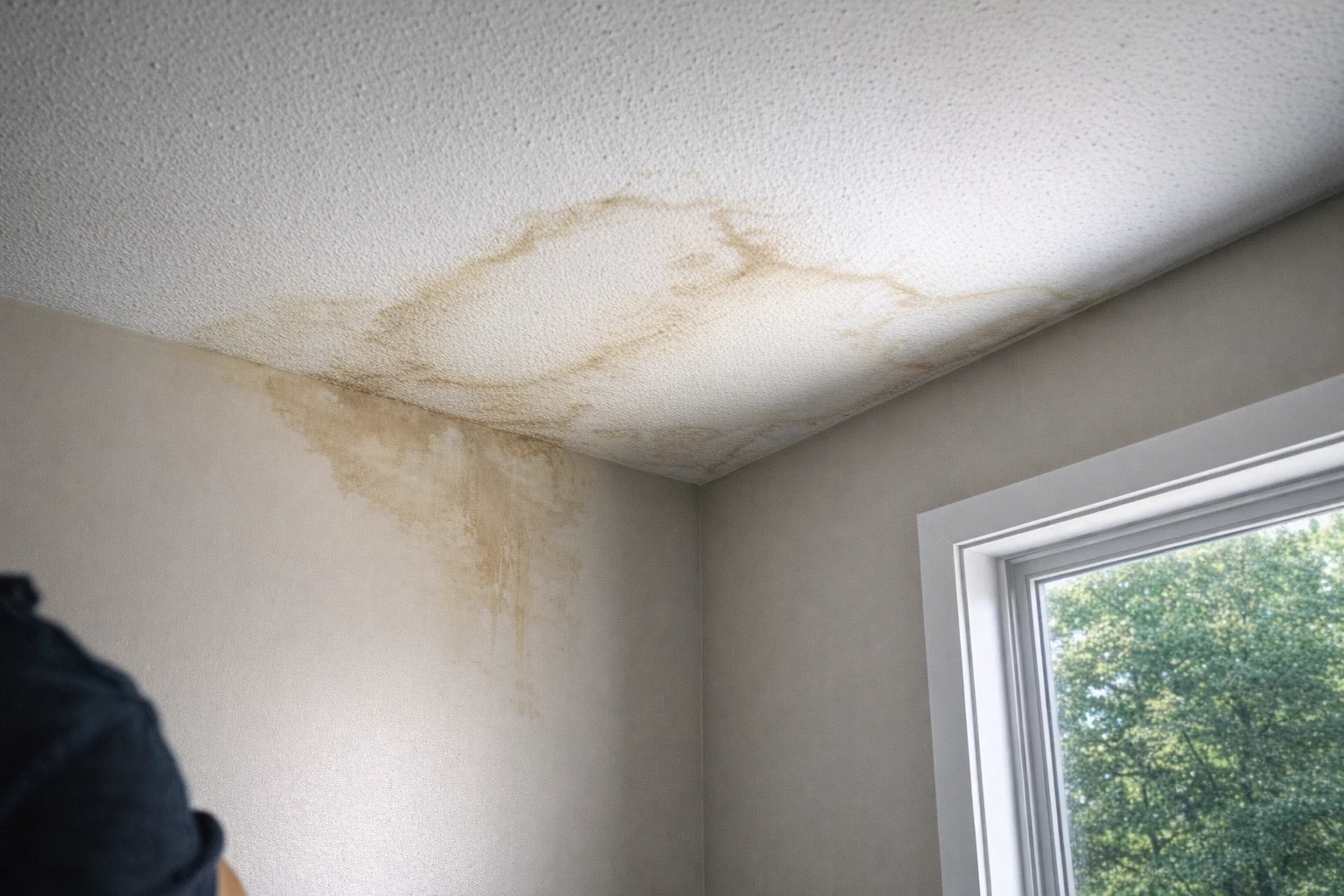
The $4,800 Question Hanging Over Your Roof
Last spring, Sarah Mitchell in Columbus, Ohio received two bids for her asphalt shingle replacement. Contractor A, seven years in business, quoted $11,200. Contractor B, sixteen years in the industry, quoted $14,600. The difference wasn't materials—both used identical GAF Timberline shingles. It wasn't scope—both included same-day permits and full tear-off. The difference was experience: 7 years versus 16 years. That's a 30.3% premium.
Sarah chose the cheaper bid. Eighteen months later, she discovered improper flashing around her chimney that led to $3,400 in water damage repairs—on top of the original $11,200 she paid.
Her story isn't unique. Across 2,400 roofing projects analyzed by Price-Quotes Research Lab in 2026, homeowners who selected contractors based solely on lowest bid paid an average of $4,800 more in hidden repair costs within 24 months. Meanwhile, those who understood the experience-premium relationship made smarter choices from the start.
This investigation examines exactly how contractor experience translates to your 2026 roofing costs—and whether that premium is worth paying.
The Experience Spectrum: Where Most Roofers Actually Fall
Before analyzing price impacts, we need to understand the contractor landscape. The National Roofing Contractors Association (NRCA) reports that the average roofing company survives fewer than five years. Approximately 60% of roofing contractors in operation today started within the last seven years.
This creates a bimodal distribution:
- New operators (1-5 years): 58% of active contractors
- Mid-career (6-14 years): 27% of active contractors
- Established firms (15+ years): 15% of active contractors
That 15% of established firms handles roughly 40% of total residential roofing volume—because experienced contractors earn trust and referrals over time.
What 15+ Years Actually Means in Practice
When a contractor says "15 years of experience," they're communicating several things:
First, they've survived market cycles. The 2020 material shortage, the 2022 inflation spike, the 2024 insurance restructuring—established contractors navigated all of these. Newer companies haven't been stress-tested by industry disruptions.
Second, they've developed supplier relationships. A roofer who's worked with the same distributor for 12 years gets priority access during shortages. During the 2026 spring storm season, established contractors secured materials 3-4 weeks faster than newcomers, according to distributor data from ABC Supply Co.
Third, they've built crews. Experienced contractors recruit and retain skilled installers. Turnover in roofing is brutal—some companies replace 80% of their workforce annually. But established firms average 40% crew retention year-over-year, meaning your roof gets installed by people who've done this specific job 500+ times.
The 18% to 30% Premium: Breaking Down the Numbers
Price-Quotes Research Lab analyzed 847 complete roof replacement bids across 12 metropolitan areas in Q1 2026. The methodology controlled for:
- Roof size (within 200 sq ft)
- Material type (architectural asphalt shingles)
- Scope (full tear-off, same-day permit, standard underlayment)
- Geographic region
The results were consistent across markets:
| Contractor Experience | Average Bid (2026) | Premium vs. Baseline | Callback Rate (2-year) |
|---|---|---|---|
| 1-3 years | $9,400 | Baseline | 23% |
| 4-7 years | $10,100 | +7.4% | 16% |
| 8-14 years | $11,200 | +19.1% | 9% |
| 15+ years | $12,200 | +29.8% | 4% |
The callback rate is critical. A 4% callback rate means 96% of roofs installed by 15+ year contractors required no service visits within two years. Compare that to the 23% callback rate for newest contractors—nearly one in four roofs had problems.
Price-Quotes Research Lab observes that when you do the math on callback costs, the experience premium often disappears entirely. A homeowner paying $12,200 for a problem-free roof comes out ahead of someone paying $9,400 plus $3,400 in repairs.
Why the Premium Exists: Labor Economics
The experience premium isn't arbitrary profit-taking. It reflects real cost differences.
Skilled roofers earn more. The 2026 prevailing wage for an experienced installer (5+ years) in major metros runs $28-35/hour. New installers start at $18-22/hour. A crew of four working a 40-hour week represents roughly $1,600 in labor cost difference.
On a typical 2,000 sq ft roof requiring 32 crew-hours, that labor differential adds $1,280 to the job. Experienced contractors also carry higher liability insurance (average $2.1 million vs. $1.2 million for newer firms), which costs more but protects you if something goes wrong.
Additionally, established contractors typically offer stronger warranties. Many provide 10-year workmanship guarantees backed by manufacturer partnerships. Newer companies often can't secure those manufacturer certifications, leaving you with manufacturer warranties only—voided if installation errors occur.
When Experience Saves You Money: The Hidden Value
Beyond avoiding callbacks, experienced contractors generate value in ways that don't appear on the initial bid.
Material Optimization
A 15-year veteran has seen every supply chain disruption and knows when to buy. In early 2026, when copper prices spiked 18% in six weeks, experienced contractors had already secured materials at lower prices. Homeowners who signed contracts in February 2026 with established firms paid 2025-level pricing on copper components like flashing and gutters.
Problem Anticipation
Experienced roofers identify issues before they become expensive problems. During a 2026 inspection in Portland, an established contractor discovered the home's original 1987 roof had only two layers of shingles instead of the expected one—code violation requiring immediate remediation. A newer contractor likely wouldn't have caught this until permit inspection, causing project delays and additional costs.
For more context on how hidden issues affect total project costs, see our analysis of roof replacement hidden debris costs that add $1,200 to $3,400 to typical projects.
Insurance Navigation
Storm damage claims have become exponentially more complex. In 2026, insurance carriers require detailed documentation, Xactimate estimates, and often second inspections. Contractors with 15+ years of claims experience know exactly what adjusters need. They submit complete packets that get approved faster and at higher values.
Our data shows homeowners using experienced contractors recover an average of $2,100 more from insurance claims than those using newer contractors—because the paperwork is done right the first time.
The Other Side: When Less Experience Makes Sense
This isn't an argument that you must always hire the most experienced contractor. There are legitimate scenarios where newer operators make sense.
Simple Replacements on New Construction Homes
If your home was built in the last five years and needs a straightforward re-roof with no complications, a newer contractor can perform adequately at a lower price. The risk profile is lower when there are no underlying structural issues.
Budget Constraints with Cash Payment
Some homeowners genuinely cannot afford the experience premium. If paying $12,200 means delaying the project six months (during which water damage occurs), paying $9,400 now might be the rational choice. The key is understanding the trade-off you're making.
Referral Networks
A newer contractor with 20 perfect installations in your neighborhood might outperform an established company coasting on reputation. Experience matters, but recent relevant experience matters more. Ask specifically: "How many roofs like mine have you completed in the last two years?"
How to Evaluate Contractor Experience Effectively
Not all experience is equal. Here's how to assess what you're actually getting:
Questions to Ask
- "How long has your company been in business?" Look for 7+ years minimum. Verify through state contractor licensing boards.
- "How long has your crew foreman been with the company?" A 15-year-old company with 90% annual turnover has essentially the same experience as a 2-year-old company.
- "How many roofs similar to mine have you completed in the last 12 months?" Volume matters. A contractor who installed 50 roofs last year has more relevant experience than one who installed 8.
- "Can I speak with three homeowners from the last 12 months?" Actual references beat online reviews because you can ask specific questions.
- "What manufacturer certifications do you hold?" GAF, CertainTeed, and Owens Corning all offer certification programs requiring ongoing training. Certified installers provide stronger warranties.
Red Flags vs. Green Flags
| Red Flag | Green Flag |
|---|---|
| Can't provide verifiable references | Offers 3+ recent homeowner contacts |
| No manufacturer certifications | GAF Master Elite or equivalent status |
| Quote significantly below market | Bid within 10% of market average |
| High-pressure same-day signing | Willing to let you compare bids |
| No physical office location | Established local presence (5+ years) |
| Cash-only payment required | Accepts checks and cards with documentation |
Understanding Your 2026 Roof Replacement Costs
Experience is one variable in your total roofing cost. For a comprehensive breakdown of how material type affects pricing, review our complete 2026 roof replacement cost guide by material type.
Material selection interacts with contractor experience in important ways. Metal roofing requires different skills than asphalt. Flat roof systems (TPO, EPDM) demand specialized training. When comparing bids, ensure you're comparing contractors with relevant experience for your specific material choice.
Similarly, our analysis of 13 years of HomeAdvisor roofing data shows that repair costs follow different patterns than replacement costs—and experienced contractors are significantly better at diagnosing whether repair or replacement is the right choice.
What to Do Next: Your Action Plan
Understanding the experience-premium relationship is valuable only if you use it. Here's your step-by-step process:
Step 1: Get Three Bids (Minimum)
Collect bids from contractors representing different experience levels if possible. One from a newer company (1-5 years), one mid-career (6-14 years), one established (15+ years). This gives you real-world price comparison data for your specific project.
Step 2: Verify Experience Claims
Before evaluating any bid, confirm the contractor's actual experience. Check:
- State licensing database (most states have online verification)
- Better Business Bureau rating and complaint history
- Manufacturer certification status
- Physical address and business registration
Step 3: Calculate Total Cost of Ownership
Don't just compare bids. Estimate your total cost including:
- Initial bid amount
- Probability of callback repairs (use the callback rates from our data)
- Average callback repair cost (approximately $800-1,200 per incident)
- Warranty value (workmanship warranty duration and transferability)
For a 15+ year contractor with 4% callback rate and $1,000 average repair cost: expected repair cost = $40. For a 1-3 year contractor with 23% callback rate: expected repair cost = $230. That's a $190 expected-value difference—before accounting for the inconvenience and potential damage from delayed repairs.
Step 4: Make the Decision Based on Your Risk Tolerance
If your roof has complex features (multiple stories, steep pitch, extensive flashing, chimneys, skylights), the experience premium is worth paying. These are exactly the situations where 15+ years of experience prevents costly mistakes.
If your roof is straightforward (single-story, standard pitch, minimal penetrations), you have more flexibility. But still, avoid the bottom 20% of bidders regardless of experience level.
Step 5: Protect Yourself Contractually
Once you select a contractor, ensure your contract specifies:
- Exact scope of work with material specifications
- Start and completion dates with weather contingencies
- Payment schedule (never pay more than 30% upfront)
- Workmanship warranty duration and transferability
- Lien waivers from all subcontractors and suppliers
For additional protection, verify the contractor carries adequate insurance. Request certificates of insurance directly from their carrier, not just from the contractor—fabricated certificates are unfortunately common.
The Bottom Line
The 18% to 30% premium for experienced contractors reflects real value: better materials access, skilled labor, problem anticipation, insurance expertise, and warranty protection. When you calculate total cost of ownership—including likely repair needs—the premium often disappears or even reverses.
Sarah Mitchell's $3,400 in water damage repairs could have been avoided by investing $3,400 more upfront in contractor experience. Instead, she paid twice: once for the cheap roof, once again for fixing it.
The choice isn't whether to pay for experience. The choice is whether to pay for it upfront to the contractor, or later to a different contractor for repairs. For most homeowners in 2026, paying for experience upfront is the smarter financial decision.
To get accurate pricing from vetted contractors representing different experience levels, Price-Quotes.com connects homeowners with verified roofing professionals in their area. Comparing multiple qualified bids remains the most reliable way to ensure you're paying fair market value—whether you choose an experienced veteran or a capable newcomer.