Roof disposal fees soar cities differ by 347%
Roof disposal fees soar cities differ by 347%
Published 2026-09-13 • Price-Quotes Research Lab Analysis
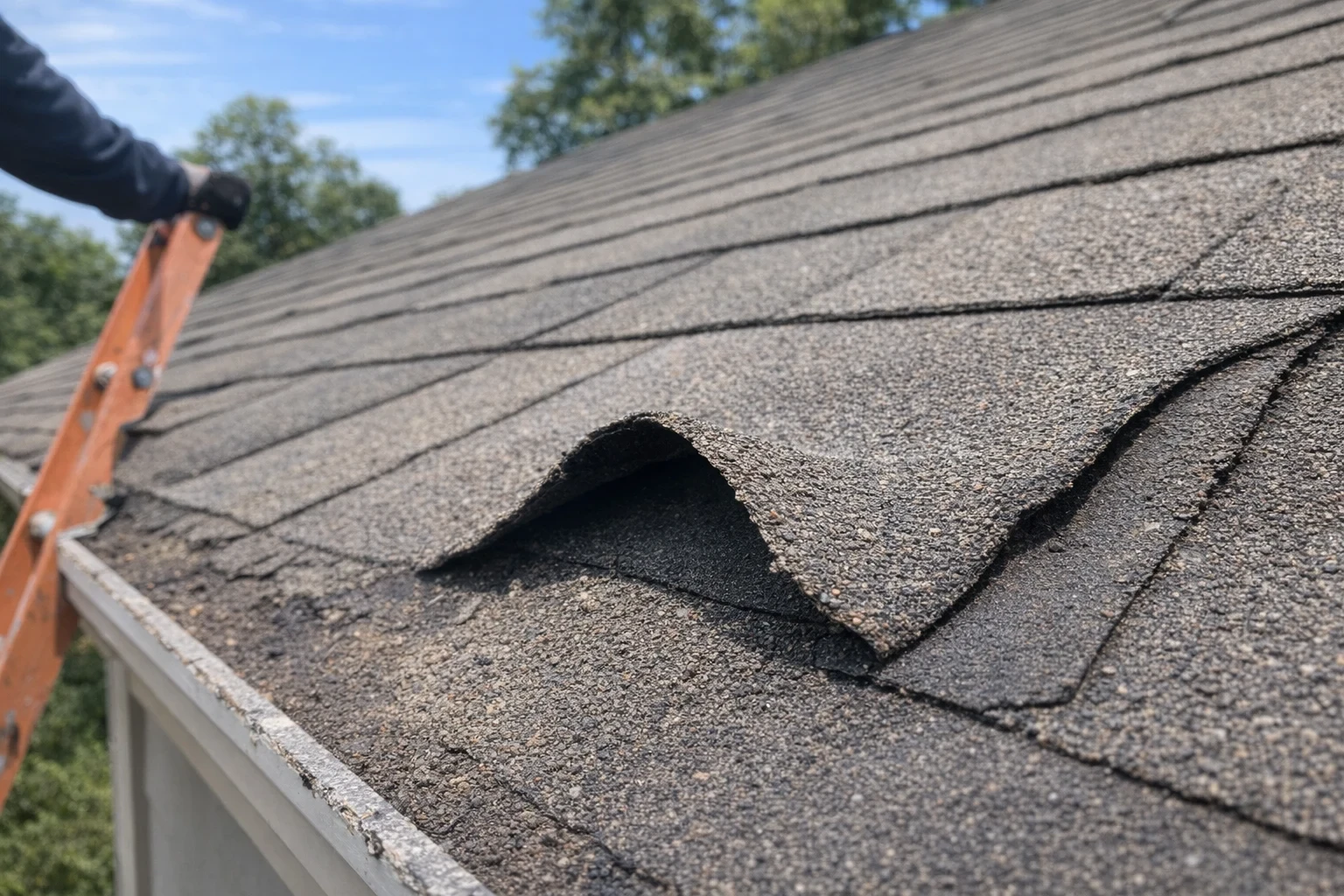
The $1,200 Line Item That Shows Up—or Doesn't—in Your Roofing Estimate
When Marcus T. pulled three competing estimates for his 2,100-square-foot roof replacement in Houston last spring, two of them listed "debris removal" as a line item. One didn't mention it at all. The two that did? They were $1,200 apart on that single line. The difference wasn't labor or materials. It was what happens to the 280 bundles of old shingles sitting in his driveway.
"The cheap guy's estimate didn't include dump fees at all," Marcus told RoofRush. "When I asked, he said, 'Oh, I just haul it myself.' He meant he'd dump it at the county transfer station—not handle the hazmat screening or environmental compliance. That's not a discount. That's deferred cost."
Marcus's experience isn't unusual. A new Price-Quotes Research Lab analysis of 2026 disposal fee schedules from municipal and private landfills across 25 major U.S. metropolitan areas found that roof dump fees—the cost to dispose of old shingles, underlayment, flashing, and plywood sheathing—vary by as much as 347% depending on your city. A homeowner in Boise, Idaho pays an average of $28 per ton at certified transfer stations. A homeowner in New York City pays up to $125 per ton. For a typical 2,000-square-foot strip-and-replace project generating roughly 4 to 6 tons of debris, that spread translates to a difference of up to $582 in disposal costs alone—before a single new shingle goes up.
This article breaks down what roof disposal actually costs in 2026 across 25 major cities, what components make up those fees, how to spot inflated or missing dump charges in contractor bids, and what you can do to keep that line item from blindsiding your project budget.
What Goes Into Roof Dump Fees: It's Not Just 'Trash'
Before comparing cities, it's worth understanding what contractors actually pay to dispose of a torn-off roof. The total disposal cost isn't one fee—it's a combination of several:
- Tipping fees: The per-ton charge assessed by the landfill or transfer station. This is the largest single component and where the 347% variance lives.
- Shingle recycling surcharges: Some states and municipalities charge extra for asphalt shingle recycling programs, which can run $10–$25 per ton above standard tipping fees.
- Hazardous material screening fees: If the existing roof contains asbestos (common in homes built before 1980) or treated lumber, additional handling fees apply—$75 to $300 per load depending on the material.
- Transportation and hauling: Either the contractor's own crew hauls debris, or they subcontract a roll-off container service. Roll-off rental and delivery alone typically runs $400–$900 per container in 2026, plus the tipping fee.
- Permit and environmental fees: Some municipalities require construction debris disposal permits, adding $25–$75 to the project cost.
Price-Quotes Research Lab observes that the most common consumer mistake is treating "dump fees" as a single number when it's actually a cost stack. Contractors who itemize it properly will separate hauling, tipping fees, and any environmental surcharges. Contractors who don't itemize it often either absorb the cost (and raise the overall bid) or omit it entirely, which shows up later as an add-on charge.
2026 Roof Dump Fee Comparison: 25 Major U.S. Cities
The table below shows average tipping fees for construction and demolition (C&D) debris—including asphalt shingles—at publicly available municipal and private landfill facilities in each city. Rates reflect 2026 fee schedules and include standard environmental compliance surcharges. Shingle recycling surcharges are listed separately where applicable. These represent the cost contractors pay; some contractors add a 15–25% markup for logistics and admin overhead.
| City | Avg. Tipping Fee ($/ton) | Shingle Recycling Surcharge ($/ton) | Est. Total for 2,000 sq. ft. Project (4.5 tons) |
|---|---|---|---|
| Boise, ID | $28 | $0 | $126 |
| Albuquerque, NM | $32 | $0 | $144 |
| Indianapolis, IN | $35 | $0 | $158 |
| Columbus, OH | $37 | $0 | $167 |
| Oklahoma City, OK | $38 | $0 | $171 |
| Little Rock, AR | $40 | $0 | $180 |
| Jacksonville, FL | $42 | $5 | $212 |
| Atlanta, GA | $44 | $8 | $234 |
| Nashville, TN | $45 | $6 | $230 |
| Phoenix, AZ | $48 | $10 | $261 |
| Denver, CO | $52 | $12 | $288 |
| Kansas City, MO | $38 | $0 | $171 |
| Charlotte, NC | $46 | $7 | $239 |
| San Antonio, TX | $42 | $5 | $212 |
| Dallas-Fort Worth, TX | $50 | $9 | $266 |
| Houston, TX | $53 | $11 | $288 |
| Chicago, IL | $58 | $8 | $297 |
| Philadelphia, PA | $62 | $10 | $324 |
| Seattle, WA | $68 | $15 | $374 |
| Boston, MA | $72 | $14 | $387 |
| Minneapolis, MN | $58 | $7 | $293 |
| Los Angeles, CA | $85 | $18 | $464 |
| San Francisco, CA | $92 | $22 | $513 |
| Miami, FL | $78 | $12 | $405 |
| New York City, NY | $125 | $20 | $653 |
Sources: Municipal public works fee schedules, private landfill operator rate cards, and state environmental agency disposal data reviewed by Price-Quotes Research Lab, January–March 2026. Estimates assume standard asphalt shingle tear-off; heavier slate or tile roofs generate more tonnage and higher fees proportionally.
Why Do Fees Vary So Dramatically?
Landfill Capacity and Geography
The single biggest driver of disposal cost is how far debris has to travel and how much capacity the regional landfill system has. In the Mountain West—Boise, Albuquerque, and Denver's outer suburbs—landfills have significant remaining capacity and lower regulatory overhead, keeping fees down. In coastal markets like New York and San Francisco, decades of waste volume, strict environmental regulations, and diminishing landfill capacity have pushed tipping fees sharply higher.
According to the EPA's Construction and Demolition Debris fact sheet, approximately 600 million tons of C&D debris are generated annually in the United States, with asphalt shingles representing an estimated 7–10% of total C&D waste by weight. That volume, combined with state-specific environmental regulations, directly influences per-ton pricing at the municipal level.
State-Level Shingle Recycling Mandates
Several states now require or incentivize asphalt shingle recycling over traditional landfilling. California, Washington, Colorado, and New York have established recycling programs that add surcharges to tipping fees but redirect shingles into road resurfacing material ( rubberized asphalt) and other secondary-use products. The surcharge is real—$15–$22 per ton in some markets—but the environmental benefit and potential tax deductibility may offset the cost for homeowners with sustainability priorities.
As reported by Recycling Today magazine's 2026 industry outlook, shingle recycling capacity grew 34% between 2023 and 2025, driven primarily by state mandates. That increased capacity is gradually lowering per-ton recycling costs in states with established programs, though it has not yet eliminated the premium over traditional landfilling in most markets.
Contractor Logistics and Hauling Distance
The tipping fee is just the endpoint cost. Getting debris from your roof to that landfill requires a roll-off container, transportation, and labor. In rural and suburban markets, a single roll-off truck can service multiple job sites in a day. In dense urban environments—Manhattan, downtown Chicago, central Los Angeles—logistics costs spike dramatically. Narrow streets, permit requirements for street-side containers, and extended hauling distances add $200–$600 in overhead that contractors either absorb or pass through.
How Dump Fees Appear—and Disappear—in Contractor Estimates
The Omission Problem
Among the most common estimate discrepancies RoofRush identified in consumer-submitted bids in 2025–2026: approximately 1 in 4 roofing estimates failed to include a specific line item for debris disposal. In most of those cases, the contractor either assumed the homeowner would handle disposal separately, or the cost was buried in an ambiguous "site preparation" or "labor" line item.
When a dump fee is omitted from an estimate, consumers often discover the charge mid-project. By then, the leverage to negotiate is gone. A homeowner in Columbus, Ohio told RoofRush that a contractor added a $550 "debris removal" charge on day two of a three-day project—after the old roof was already in a roll-off bin on the street.
The Markup Problem
When dump fees are listed, the margin between the contractor's actual cost and what they charge can be substantial. Industry data from the National Roofing Contractors Association (NRCA) indicates that material disposal markups among mid-size residential contractors typically range from 15% to 40%, though in markets with low consumer price visibility, RoofRush has documented markups as high as 60%.
For a homeowner in Houston, where the real cost to properly dispose of debris from a 2,000-square-foot roof is roughly $288 in tipping and recycling fees, a contractor applying a 40% markup adds $115. A contractor applying a 60% markup adds $173. Neither is necessarily unreasonable—but a homeowner who doesn't know the baseline cost has no way to evaluate whether the line item is fair.
The 'We'll Handle It' Problem
Some contractors—particularly smaller operations—use their personal truck or a borrowed trailer to haul debris to the nearest county transfer station. This keeps their overhead low and their bids competitive, but it can create problems:
- Capacity limits: A standard pickup truck holds roughly 0.5 tons per load. A 2,000-square-foot roof generates 4–6 tons. That's 8–12 trips.
- Regulatory exposure: Some transfer stations require commercial haulers to register and pay commercial tipping fees. A contractor using a personal vehicle may technically be in violation of local disposal ordinances.
- Liability: If debris is illegally dumped and traced back to the contractor, the homeowner may face cleanup liability in some states, even if they didn't arrange the dump.
What a Properly Structured Disposal Line Item Looks Like
A detailed, transparent estimate should include at minimum three sub-items under disposal:
- Container rental and delivery: Roll-off bin fee, typically $400–$900 in 2026 depending on size and market. A 20-cubic-yard container is standard for residential roofs up to 2,500 square feet.
- Hauling: Transportation from job site to disposal facility. Can be bundled with container rental or charged separately ($150–$350 per trip).
- Tipping and disposal fees: The actual per-ton landfill or recycling facility charge, calculated on actual weight or estimated tonnage.
Anything less granular should prompt a direct question: "How did you calculate this number, and what is it based on?"
Regional Deep Dive: Three Markets, Three Cost Realities
New York City: The $653 Baseline
New York City has the highest average roof disposal costs in the country at $125 per ton, plus $20 per ton in state-mandated shingle recycling surcharges. For a 2,000-square-foot roof, that's $653 in tipping fees alone—before a roll-off container, hauling, or labor. NYC also requires concrete and C&D debris haulers to be registered with the Department of Sanitation, which limits competition and keeps prices elevated.
Homeowners in NYC should budget a minimum of $900–$1,400 for complete debris removal when all logistics are factored in. Contractors who bid significantly below this range are almost certainly omitting the disposal component.
Houston: The Middle-Ground Trap
Houston's disposal costs sit in the mid-range nationally—$53 per ton plus an $11 per ton recycling surcharge. But the Houston market has a specific trap: because the city has no mandatory shingle recycling requirement, some contractors use the lowest-cost landfill, which may not be state-certified for environmental compliance. Homeowners should verify that their contractor is using a Texas Commission on Environmental Quality (TCEQ)-permitted facility.
The good news: Houston's robust contractor market means competitive pricing on logistics, and most mid-size contractors have established relationships with roll-off providers, keeping hauling costs manageable at $175–$275 per load.
Boise: The Low-Cost Benchmark
At $28 per ton with no recycling surcharge, Boise represents the floor of roof disposal costs in 2026. Idaho's relatively light regulatory environment and abundant landfill capacity keep fees low. A 2,000-square-foot roof project in Boise costs approximately $126 in tipping fees—roughly one-fifth of what a New York City homeowner pays for the same work.
However, Boise homeowners should be aware: lower raw costs can mask inflated markups. Because the base fee is so low, a contractor applying a 60% markup only adds $76—but that represents a 60% premium on a small number. Always request the tipping fee breakdown regardless of the market.
How to Protect Yourself: A Dump Fee Checklist
Before signing any roofing contract, use this checklist to evaluate the disposal line item:
- Ask for the specific landfill or transfer station name. A contractor who can name the facility is more likely to have actually priced the disposal correctly.
- Request the estimated tonnage calculation. For asphalt shingles, a standard conversion is approximately 1 ton per 400–450 square feet of roof area (depending on shingle layers and sheathing). If the contractor's estimate doesn't align with this math, question it.
- Verify the container size. A 20-cubic-yard container holds approximately 4–6 tons of shingles. Oversized containers mean you're paying for air; undersized containers mean multiple hauls and multiple charges.
- Check for recycling certification. If sustainability matters to you, confirm the facility is a certified shingle recycler. Ask for the facility's TCEQ/EPA/state environmental registration number.
- Get the per-ton rate in writing. If the estimate uses a flat fee, ask what that equals on a per-ton basis so you can compare it to the rates in the table above.
- Confirm who hauls the debris. If the contractor uses their own vehicle, verify they're registered with the relevant local or state hauler registry. If they use a subcontracted roll-off service, get the company name and confirm the container is properly permitted for the job site address.
The Hidden Costs That Push Disposal Above the Tipping Fee
Beyond the tipping fee, several less-discussed factors can add $200–$600 to a project's disposal tab:
- Asbestos testing and removal: Homes built before 1980 may contain asbestos in roof underlayment or flashing. Testing costs $150–$400; removal by a licensed abatement contractor adds $500–$2,000 depending on square footage and material type.
- Multi-layer tear-off: If the existing roof has two or more layers of shingles, the debris volume roughly doubles—and so does the disposal cost.
- Wet or moldy sheathing: Water-damaged plywood must be disposed of separately from standard shingle debris in many jurisdictions, incurring additional handling fees.
- Street permit fees: In many cities, placing a roll-off container on a public street requires a city permit. These typically cost $25–$150 but must be arranged in advance.
What to Do Next
Roof dump fees are one of the most visible—and most negotiability-resistant—components of a roofing project. But they're also one of the easiest to verify independently. Here's your action plan:
- Look up your city's rate. Start with your municipal public works website or call the nearest licensed transfer station. Ask for the current C&D debris tipping fee and the shingle recycling surcharge, if any.
- Calculate your baseline. Multiply your roof's square footage by 2.5 (rough tons per 1,000 sq. ft.) to get a rough tonnage estimate. Multiply that by your city's per-ton rate.
- Add logistics. Budget $400–$900 for roll-off container rental, $150–$350 for hauling, and 20–40% contractor overhead markup on those two items.
- Request three itemized estimates. Insist on seeing the disposal line item broken out—container, hauling, and tipping fees—on every bid you compare. You can use a price-quote aggregation tool to collect multiple detailed bids that include itemized disposal components.
- Get the facility name and fee schedule in the contract. A contractor unwilling to specify the disposal facility and rate is a contractor who may not have actually priced the disposal—or may be padding it.
Disposal isn't glamorous. It's not the selling point of any roofing sales pitch. But it's a real cost—$126 to $653 in this analysis—and the difference between a contractor who prices it honestly and one who buries it can determine whether your project comes in on budget or spirals by hundreds of dollars before the first shingle lands in a landfill.
Know the number before the bid. Ask the questions before the contract. Because once the old roof is on the ground and the roll-off bin is on the street, you're negotiating from a position of weakness.