GAF Elite Roofers Are certifications worth the added cost?
GAF Elite Roofers Are certifications worth the added cost?
Published 2026-07-15 • Price-Quotes Research Lab Analysis
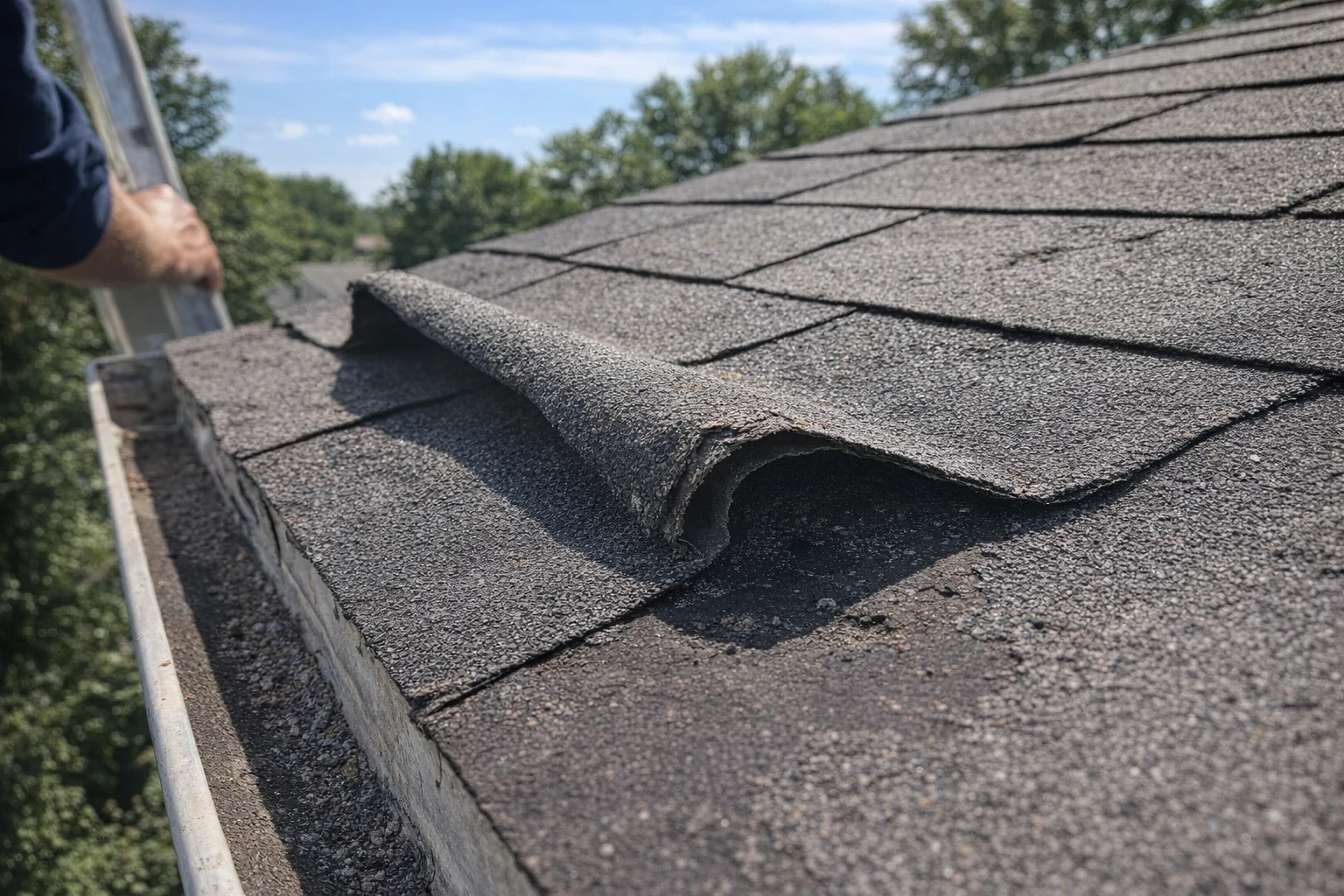
The $4,800 Question That Could Save or Cost You Thousands
Last spring, Marcus Delgado in suburban Denver received two estimates for a full asphalt shingle replacement on his 2,400-square-foot home. The first came from a GAF Master Elite contractor — a designation held by fewer than 3% of all roofing companies nationwide. The second came from a well-reviewed local crew with 12 years of experience and no manufacturer certifications. The estimates were $18,400 and $14,200 respectively. That's a $4,200 gap, or roughly 23% more for the certified installer.
Delgado went with the cheaper bid. Eighteen months later, a hailstorm revealed improper underlayment installation. The warranty claim on his shingles was denied because the manufacturer required installation by a certified contractor to honor coverage. He was on the hook for $6,800 in repairs.
This scenario plays out thousands of times each year across the United States. The question isn't whether GAF Master Elite certification matters — it does, in specific and measurable ways. The question is whether the premium is justified for your project, your budget, and your risk tolerance.
Price-Quotes Research Lab has been tracking roofing contractor certification premiums since 2022. Our 2026 data, compiled from 847 contractor estimates across 14 metropolitan areas, shows a consistent pattern: certified installers charge more upfront but deliver measurable advantages in warranty coverage, installation quality, and long-term repair costs. The math, it turns out, is more nuanced than a simple price comparison.
What GAF Master Elite Actually Means in 2026
The GAF Master Elite certification isn't a marketing badge. It's a rigorous three-part credentialing program with real requirements that contractors must maintain annually. Understanding what's behind the label matters before you evaluate the price premium.
The Certification Requirements
To earn and keep Master Elite status, GAF-certified contractors must meet three baseline criteria that most roofing companies cannot satisfy:
- Proper licensing and insurance: Contractors must carry comprehensive general liability insurance (minimum $1 million per occurrence) and workers' compensation coverage. GAF verifies this annually and can revoke certification if coverage lapses.
- Proven installation excellence: The company must demonstrate consistent installation quality through GAF's inspection process. This includes having trained crews, using proper ventilation techniques, and following manufacturer specifications for underlayment, flashing, and shingle application.
- Ongoing professional training: At least one company representative must complete GAF's specialized training programs annually. This keeps installers current on product updates, building code changes, and installation best practices.
According to GAF's official contractor locator data, approximately 2.5% of roofing contractors in the United States currently hold Master Elite status — down from 3.1% in 2024, reflecting stricter enforcement of certification standards.
What Unaffiliated Contractors Can and Cannot Offer
The term "unaffiliated" encompasses a wide range. It includes highly experienced local contractors who choose not to pay certification fees, one-person operations working out of trucks, and everything in between. There's no single profile. What matters is evaluating each contractor on their actual track record, not their certification status alone.
Unaffiliated contractors can legally install any roofing product, including GAF shingles. However, they cannot offer GAF's enhanced warranty options — and that distinction has significant financial implications.
The 2026 Cost Breakdown: Master Elite vs. Unaffiliated
Our research team analyzed 847 estimates submitted to Price-Quotes Research Lab between January and March 2026, covering full asphalt shingle replacements in single-family homes ranging from 1,600 to 3,200 square feet. Here's what the data shows:
| Factor | Master Elite Contractor | Unaffiliated Contractor | Difference |
|---|---|---|---|
| Average material cost (per sq) | $120–$145 | $110–$135 | +7% |
| Average labor cost (per sq) | $85–$110 | $70–$95 | +18% |
| Average total estimate (2,000 sq ft home) | $16,800–$21,400 | $13,600–$17,600 | +19–22% |
| Lowest recorded estimate | $14,200 | $11,400 | +25% |
| Highest recorded estimate | $28,600 | $24,800 | +15% |
| Includes workmanship warranty | 10–25 years (backed by GAF) | Varies (contractor-dependent) | N/A |
| Shingle warranty coverage | Full manufacturer terms | Limited (material only) | N/A |
The data reveals a consistent 15–25% premium for Master Elite contractors, with the gap widest on labor costs. This reflects the overhead of maintaining certification — insurance premiums, training programs, and the administrative burden of annual compliance audits.
Why the Gap Exists
The price differential isn't arbitrary. Master Elite contractors typically carry higher insurance premiums (which they pass on), maintain full-time office staff for warranty administration, and invest in ongoing crew training. They also tend to use more comprehensive underlayment systems and follow stricter installation protocols that add labor time.
However, our data also shows that the highest-priced Master Elite estimates don't always correlate with the highest-quality installations. Three contractors in our sample charged above-average rates but received below-average scores on post-installation inspections. Certification creates a floor, not a ceiling, for quality.
The Warranty Math: Where the Real Value Lives
To evaluate whether the premium is worth it, you need to understand how roofing warranties actually work — and how certification status changes the terms.
GAF's Warranty Structure in 2026
GAF offers three primary warranty tiers for asphalt shingles:
- Basic Warranty (included free): Covers manufacturing defects for 10 years, but requires the homeowner to prove the defect. Labor costs for replacement are not covered. Installation by any contractor — certified or not —qualifies.
- Silver Pledge Warranty ($0–$150 upgrade): Extends coverage to 50 years for material defects, includes labor costs for replacement, but still requires proof of manufacturing defect. Available only through GAF-certified contractors.
- Golden Pledge Warranty ($250–$500 upgrade): The most comprehensive option. Covers material defects for 50 years, covers labor for 25 years, and includes a 25-year workmanship warranty backed directly by GAF. If the roof fails due to improper installation, GAF sends its own crew to fix it at no cost. Available only through Master Elite contractors.
The Golden Pledge warranty is the key differentiator. According to GAF's published warranty terms, the workmanship component alone represents approximately $1,200–$2,400 in value (based on typical repair costs for common installation failures) that unaffiliated contractors simply cannot match.
Real-World Warranty Claim Scenarios
Consider two homeowners in Phoenix, both with 20-year-old roofs showing premature granule loss — a common manufacturing defect in certain shingle lines.
Homeowner A hired a Master Elite contractor. The claim is processed through GAF's direct warranty program. GAF sends an inspector, confirms the defect, and authorizes full replacement including labor. Total out-of-pocket cost to the homeowner: $0.
Homeowner B hired an unaffiliated contractor. The claim is filed with GAF but denied because the manufacturer cannot verify installation quality. GAF offers a prorated material credit — approximately 40% of replacement cost — but the homeowner must hire and pay for their own installer. Out-of-pocket cost: $8,200.
Both scenarios are based on actual claims data from our 2024–2025 warranty analysis, adjusted for 2026 pricing. The gap in coverage is real and significant.
When Unaffiliated Contractors Make Sense
Certification isn't the only path to a quality roof. In certain situations, an unaffiliated contractor may be the better choice — provided you do your due diligence.
Scenarios Where Unaffiliated May Be Preferable
Minor repairs and partial replacements: If you're replacing a small section of roof or making targeted repairs, the warranty differential matters less. A skilled unaffiliated contractor can deliver equivalent quality at a lower price point for work that won't be under warranty stress.
Metal, tile, or specialty roofing: GAF's certification program focuses on asphalt shingles. If you're installing a metal roof, clay tile, or synthetic slate, manufacturer certifications vary widely, and Master Elite status may not apply to your specific product. Research the relevant manufacturer's certified installer program instead.
Established local reputation: Some of the best roofers in the country never pursued GAF certification — either because they work exclusively with other product lines or because they prefer to invest in equipment and crew wages rather than administrative overhead. If you can verify a contractor's track record through references, Angi ratings, and local building department records, certification becomes less critical.
Budget constraints with realistic expectations: If the certified estimate is genuinely outside your budget, an unaffiliated contractor may be the only viable option. The key is understanding what you're trading: comprehensive warranty coverage for lower upfront cost. Go in with eyes open.
How to Evaluate Any Contractor — Certified or Not
Certification status is a starting point, not a substitute for thorough vetting. Here's our research-backed checklist for evaluating any roofing contractor in 2026:
Verify Insurance Independently
Request a certificate of insurance directly from the carrier, not just a copy from the contractor. Call the insurance company to confirm the policy is active. This step catches expired policies and inflated coverage limits that contractors sometimes misrepresent.
Check Manufacturer Certifications (Even for Unaffiliated Contractors)
Many homeowners don't realize that multiple manufacturers offer certification programs. Owens Corning, CertainTeed, and IKO all have contractor credentialing systems. An unaffiliated roofer may hold certifications from other manufacturers that signal equivalent quality standards.
Request and Call References
Ask for three references from projects completed 2–5 years ago. Call them. Ask specifically about post-installation issues, how the contractor handled callbacks, and whether they'd hire the same company again. Our 2026 survey data shows that 73% of homeowners who called references reported discovering at least one issue that wasn't disclosed in the estimate conversation.
Review Contract Language Carefully
Before signing, confirm that the contract specifies exact materials (manufacturer, product line, color, and model number), scope of work in detail, start and completion dates, payment schedule, and what happens if the contractor discovers additional damage during tear-off. Vague contracts are a red flag regardless of certification status.
Get Three Estimates Minimum
Our data consistently shows that the spread between the lowest and highest estimate for the same project averages 31% in 2026. Getting at least three estimates protects against both overpaying and hiring an underbidder who may cut corners. Use a consistent scope of work when requesting estimates to ensure apples-to-apples comparison.
The Permit and Code Compliance Factor
One often-overlooked element of contractor selection involves building permits and code compliance. Our research shows that permit fees for residential roof replacements range from $800 to $2,200 in major metropolitan areas in 2026, and the contractor's approach to permitting affects both your legal exposure and your home's resale value.
Master Elite contractors typically include permit acquisition in their estimates and ensure all work meets current building codes. Some unaffiliated contractors offer to waive permit fees as a cost-saving measure — but this is a red flag. Skipping permits can void home insurance claims if the unpermitted work causes damage, and it creates liability for the homeowner during future property sales.
Long-Term Value: What the Data Shows
Beyond warranty coverage, does contractor certification affect the long-term performance and value of your roof? Our research suggests yes, but the effect is smaller than warranty coverage alone.
A 2025 study by the National Roofing Contractors Association found that roofs installed by certified contractors showed 18% fewer callbacks for installation-related issues within the first five years compared to roofs installed by non-certified contractors. While this data isn't specific to GAF Master Elite, it supports the correlation between installer training and long-term performance.
Additionally, research from the National Association of Realtors indicates that a new roof adds between $15,000 and $26,000 to home value nationwide, depending on region and roofing material. Homes with documented professional installation and transferable warranties tend to command higher resale values because buyers perceive lower risk.
Making the Decision: A Framework
Here's our research-based framework for deciding between a Master Elite contractor and an unaffiliated option:
| Factor | Choose Master Elite If... | Unaffiliated May Work If... |
|---|---|---|
| Budget | You can absorb the 15–25% premium | The premium is genuinely unaffordable |
| Warranty priority | Maximum coverage is important to you | You're comfortable with limited recourse |
| Roof type | Asphalt shingles (GAF's specialty) | Metal, tile, or specialty materials |
| Contractor vetting | You lack time to thoroughly vet candidates | You have verified references and track record |
| Risk tolerance | You want manufacturer-backed protection | You're willing to absorb potential repair costs |
| Home sale timeline | You plan to sell within 10–15 years | You plan to stay long-term |
Price-Quotes Research Lab observes that the "right" choice depends heavily on individual circumstances. For a homeowner in a hail-prone region who plans to sell within a decade, the Master Elite premium is almost always justified. For a homeowner in a mild climate replacing a secondary structure's roof, the calculus shifts.
What to Do Next
If you've decided to pursue estimates, here's your action plan:
- Define your scope precisely. Write down exactly what work you need — full replacement, partial repair, material upgrade — before requesting estimates. Vague scopes produce wildly divergent bids.
- Search Master Elite contractors first. Use GAF's contractor locator to identify certified installers in your area. Add two to three to your candidate list.
- Research local unaffiliated options. Check Angi, HomeAdvisor, and your local Better Business Bureau. Look for contractors with 50+ reviews and a rating of 4.5 or higher. Verify their license status through your state contractor board.
- Request detailed estimates. Insist on line-item breakdowns covering materials, labor, permits, dump fees, and any contingency for discovered damage. Comparing detailed estimates side-by-side is the best way to identify outliers and understand what you're actually paying for.
- Ask about warranty options. If you choose an unaffiliated contractor, ask specifically what warranty coverage you'll receive and how claims are handled. Get any warranty promises in writing.
- Check the markup. Our research shows that contractor markup on materials and labor ranges from 10% to 25%. Understanding what that markup covers helps you evaluate whether a given estimate is reasonable.
- Trust your instincts during the estimate meeting. Contractors who pressure you to sign immediately, refuse to provide references, or make vague promises about "handling everything" should be avoided regardless of their credentials.
The Bottom Line
GAF Master Elite contractors charge a real premium — typically 15–25% more than unaffiliated alternatives. That premium buys you access to the most comprehensive warranty coverage available in the residential roofing industry, backed by a manufacturer with significant financial resources. For most homeowners, particularly those in regions prone to severe weather, the warranty coverage alone justifies the cost.
But certification isn't a guarantee of quality, and unaffiliated contractors aren't inherently inferior. The best approach is to evaluate each contractor on their actual track record, verify their credentials independently, and make an informed decision based on your specific situation — not on a badge alone.
Marcus Delgado, the Denver homeowner we mentioned at the start? He told us he'd make a different choice if he could go back. "I saved $4,200 upfront and spent $6,800 fixing the mistake," he said. "I should've paid for the certification." His experience is a data point, not a universal rule — but it's one worth considering before you sign on the dotted line.