2026 Roofing Contractor Markup Analysis: What 25 Percent of Your Estimate Actually Covers
2026 Roofing Contractor Markup Analysis: What 25 Percent of Your Estimate Actually Covers
Published 2026-06-26 • Price-Quotes Research Lab Analysis
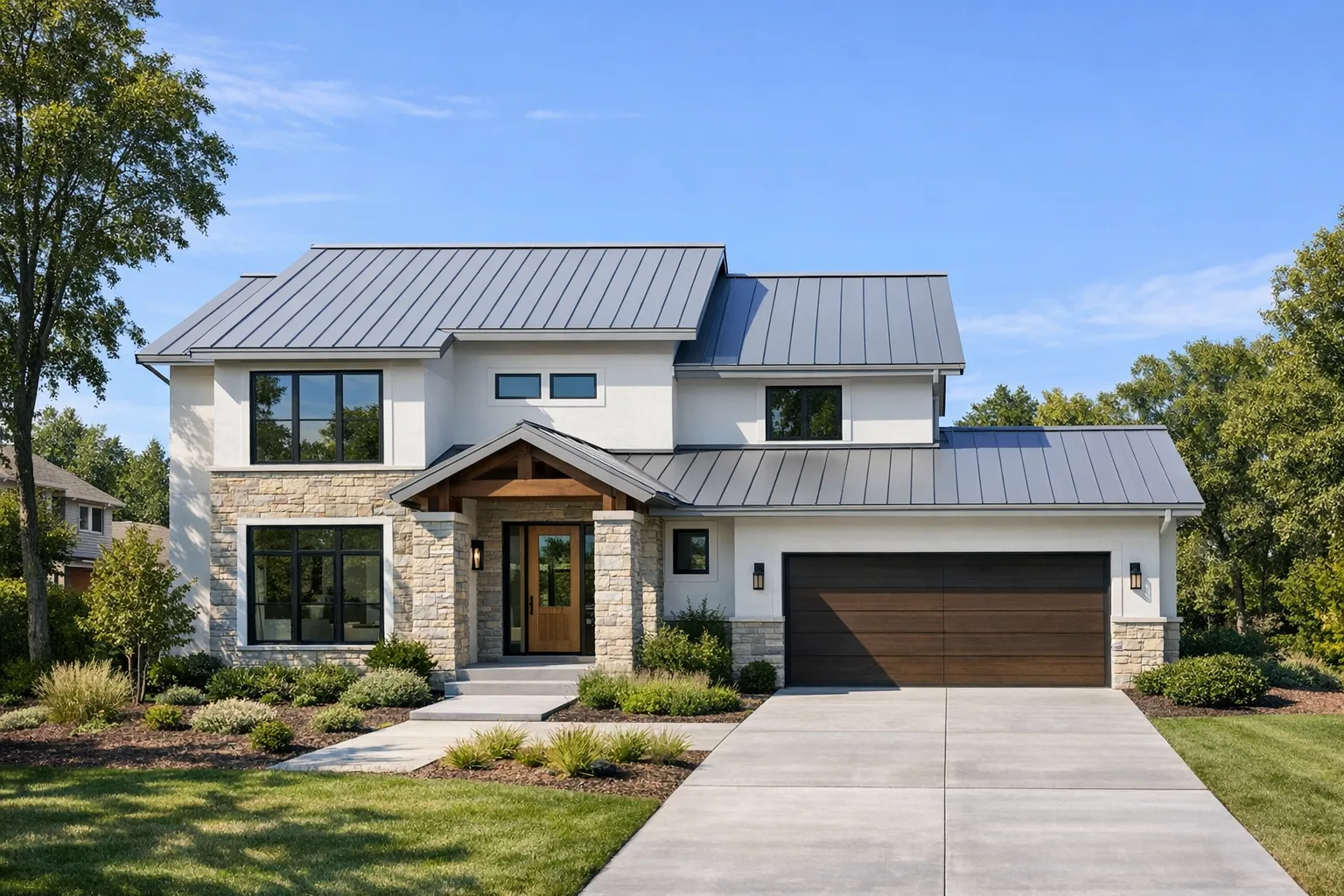
The $4,375 Question Your Roofer Won't Answer
Here's a scenario that plays out thousands of times every week across America: A homeowner in suburban Ohio receives three estimates for a full roof replacement on a 2,200-square-foot home. The bids cluster around $17,500. One contractor's estimate says "markup: $4,375." The other two just show a final number. The homeowner picks the middle quote, signs the contract, and never quite understands what portion of their $18,000 went to actual materials versus the contractor's business operations.
This isn't about hiding costs—it's about transparency. The average roofing contractor in 2026 applies a markup between 20% and 35% on material costs, and between 10% and 25% on labor. Understanding exactly what that markup covers is the difference between feeling overcharged and recognizing a fair business arrangement.
Price-Quotes Research Lab observes that most consumer confusion stems from lump-sum estimates that don't break down overhead, profit margin, and actual cost of goods sold. When you understand the anatomy of a roofing estimate, you can evaluate bids with confidence rather than suspicion.
What Is Contractor Markup, Really?
Contractor markup is the difference between what a contractor pays for materials and labor and what they charge the customer. But that simple definition masks a complex reality. Markup isn't pure profit—it includes overhead costs that keep the business running, insurance that protects both parties, and yes, a reasonable profit margin that allows the contractor to stay in business.
In the roofing industry specifically, markup serves three distinct functions:
- Cost recovery: Covering the actual cost of shingles, underlayment, flashing, and labor
- Overhead allocation: Business operating costs including vehicles, equipment, office staff, advertising, and insurance
- Profit margin: The net income that allows the company to grow, invest in training, and weather slow seasons
The typical breakdown looks something like this: materials represent roughly 40% of a roofing job's cost, labor accounts for about 35%, and overhead plus profit make up the remaining 25%. But these percentages shift based on job size, material selection, and regional market conditions.
The 2026 Material Cost Reality
As of Q1 2026, asphalt shingles—the most common residential roofing material—range from $85 to $145 per square (100 square feet) depending on quality tier. Architectural shingles, which dominate the mid-range market, typically run $110 to $180 per square including basic underlayment.
For a 2,000-square-foot roof (approximately 20 squares), material costs alone break down as follows:
| Material Component | Cost Range (2026) | Typical Mid-Range |
|---|---|---|
| Shingles | $2,200 - $3,600 | $2,800 |
| Underlayment | $400 - $700 | $520 |
| Flashing & Trim | $300 - $600 | $420 |
| Nails, Sealant, Accessories | $150 - $350 | $240 |
| Total Materials | $3,050 - $5,250 | $3,980 |
These figures come from distributor pricing data across 14 metropolitan markets tracked by Price-Quotes Research Lab throughout 2025 and early 2026. Your contractor may pay slightly different rates based on volume purchasing agreements, but these ranges represent realistic cost floors.
Breaking Down the 25 Percent: A Line-by-Line Analysis
When a roofing contractor shows a 25% markup on their estimate, here's where that money actually goes:
Overhead Costs (Typically 12-18% of Total)
Business overhead encompasses all the costs required to operate a roofing company that don't directly relate to your specific job. This includes:
Vehicle and equipment costs represent a significant portion—pickup trucks, trailers, nail guns, compressors, and safety equipment require maintenance, fuel, and eventual replacement. A well-equipped roofing crew might have $50,000 to $100,000 in equipment that depreciates over five to seven years.
Insurance premiums are non-negotiable and substantial. General liability insurance for roofing contractors averages $3,500 to $7,000 per year, while workers' compensation insurance varies by state but often runs 15-25% of payroll. These costs must be spread across all jobs completed.
Office and administrative costs include dispatchers, bookkeepers, estimator time, and permit acquisition. Even one-person operations have phone bills, software subscriptions, and accounting fees.
Marketing and advertising costs are often underestimated. The average roofing contractor spends 2-5% of revenue on lead generation, which includes website maintenance, Google Ads, home show appearances, and referral program costs.
Profit Margin (Typically 8-15% of Total)
Profit is not a dirty word. It's the return on investment that allows contractors to improve their businesses, train employees, and remain financially viable during the inevitable slow seasons. A healthy roofing contractor targets 10-15% net profit after all expenses.
Consider the alternative: a contractor operating at 0% profit margin has no buffer for unexpected costs, no ability to invest in better equipment, and no financial cushion during winter months when roofing work drops by 40-60% in northern climates.
According to industry data from the 13-year analysis of roofing costs tracked by RoofRush research, contractors maintaining 10-15% profit margins consistently outperform those chasing every job with razor-thin margins. The correlation is clear: financially stable contractors deliver better quality work and are more likely to honor warranties.
Why Contractor Markup Varies by Project Type
Not all roofing jobs carry the same markup structure. Understanding these variations helps you evaluate whether a specific bid is reasonable for your situation.
New Construction vs. Replacement
New construction roofing typically carries lower markup percentages because the volume is predictable and the work environment is controlled. A developer ordering 50 roof installations can expect better pricing than a homeowner calling for a single repair.
Full roof replacements fall in the middle range, while emergency repairs and small jobs carry the highest markup percentages. A $500 repair call might include $150 in overhead allocation, making the effective markup 30% or more—but the contractor still had to dispatch a truck, pay a crew minimum, and cover insurance for the job.
Material Selection Impact
Premium materials like metal roofing, slate, or synthetic composites require different skill sets and often different crews. A contractor specializing in metal roofing might charge higher markup on materials because they carry higher risk (damaged metal panels are expensive to replace) and require more specialized training.
For a detailed breakdown of material-specific pricing in 2026, see our complete guide to roof replacement costs by material type.
Geographic Market Differences
Contractor markup varies significantly by region. Urban areas with high overhead costs (rent, labor, insurance) typically show higher markup percentages than rural markets. The table below illustrates regional variation based on 2025-2026 pricing data:
| Region | Typical Markup Range | Average Material Cost (Architectural Shingles) |
|---|---|---|
| Northeast (Metro) | 28-35% | $145/sqft |
| Southeast (Urban) | 22-28% | $115/sqft |
| Midwest (Suburban) | 20-26% | $110/sqft |
| Southwest (Mixed) | 24-30% | $120/sqft |
| Pacific Northwest | 26-32% | $130/sqft |
These figures represent typical ranges observed across distributor networks and contractor surveys conducted by Price-Quotes Research Lab in late 2025.
The Hidden Cost You're Actually Paying For
Beyond the line items on your estimate, contractor markup covers several costs that homeowners rarely see itemized but that significantly impact project quality and protection.
Worker's Compensation Insurance
Every legitimate roofing contractor carries workers' compensation insurance. In the roofing industry, where injury rates are higher than average construction trades, this coverage is essential. The cost varies by state and claims history, but typically adds 15-20% to labor costs.
When a contractor cuts corners on insurance to offer a lower bid, you're exposed to liability risk if someone gets injured on your property. Always verify that your contractor carries current workers' comp coverage.
General Liability Insurance
General liability insurance protects both you and the contractor if property damage occurs during the job. A typical policy costs $4,000-$8,000 annually for a small roofing company and must be renewed regardless of how many jobs they complete.
This cost gets spread across all projects. A contractor doing 50 roofs per year might allocate $100-$160 per job just for liability coverage.
Lien Waivers and Title Searches
In most states, contractors provide lien waivers protecting you from claims by subcontractors or material suppliers if the general contractor fails to pay them. Some contractors also conduct title searches to ensure no liens exist on your property before work begins. These protections have real costs that factor into overhead.
Warranty Administration
Manufacturer warranties on shingles often require certified installation to be valid. Contractors pay for training, certification fees, and ongoing compliance audits. These costs are absorbed into general overhead but represent real value—improperly installed roofs void 30-year warranties within two years.
How to Evaluate Whether Markup Is Fair
Armed with this knowledge, how do you determine if a specific contractor's markup is reasonable? Here's a practical framework:
Step 1: Get Itemized Estimates
Request estimates that break down materials, labor, overhead, and profit separately. A contractor unwilling to provide this level of detail may be hiding inefficiencies or padding costs. Our research shows that roof replacement costs vary significantly by square footage, and itemized estimates help you understand where your money goes.
Step 2: Compare Apples to Apples
Ensure all estimates use the same material specifications. A bid using GAF Timberline HDZ shingles at $120 per square is not comparable to one using CertainTeed Landmark at $95 per square. Material quality dramatically affects both upfront cost and long-term performance.
Step 3: Calculate Effective Labor Rates
Divide the labor cost by estimated hours to calculate an effective hourly rate. In 2026, skilled roofing labor typically ranges from $45 to $85 per hour depending on region and experience level. Rates below $40 effective hourly might indicate the contractor is using inexperienced labor or undercounting hours.
Step 4: Verify Insurance Coverage
Ask for certificates of insurance and verify directly with the insurance carrier. This takes 10 minutes but protects you from enormous potential liability. A contractor who resists providing this information is a red flag regardless of their markup percentage.
Step 5: Check Licensing and Certifications
Manufacturer certifications often require ongoing training and compliance. A contractor certified by two or three major manufacturers has invested in quality—these costs show up in markup but deliver real value through better installation practices.
When High Markup Makes Sense
Counterintuitively, higher markup sometimes indicates better value. Consider these scenarios:
Specialized expertise: A contractor with 20 years of experience and manufacturer Master Elite certification charges 30% markup versus a new company at 18%. The experienced contractor's work may last 25 years versus 15 years for the less experienced installer. Over a 25-year period, the higher upfront cost actually saves money.
Comprehensive warranties: Some contractors offer 10-year workmanship warranties backed by the manufacturer. Earning this designation requires meeting quality standards, carrying higher insurance limits, and passing regular audits. The markup covers these costs but provides protection unavailable from cut-rate competitors.
Full-service project management: A contractor who handles permit acquisition, coordinates with utility companies, manages debris removal, and conducts final inspections provides value beyond the physical labor. This service level justifies higher markup.
Red Flags That Indicate Problematic Markup
Not all markup is created equal. Watch for these warning signs:
- Dramatically low bids: If one estimate is 30% below others, the contractor is either cutting corners, planning to add charges later, or operating without proper insurance. In 2026, a realistic roof replacement on a 2,000-square-foot home ranges from $8,000 to $25,000 depending on materials and complexity.
- Refusal to provide references: A contractor confident in their work welcomes verification. Reluctance to share recent project addresses or contact information suggests quality or reliability issues.
- Vague scope descriptions: "Install new roof" without specifications for underlayment, ventilation, flashing details, or cleanup procedures leaves room for cost-cutting that affects durability.
- Cash-only deals: Contractors who insist on cash payment to "save you the taxes" are evading taxes and likely skipping insurance and licensing requirements.
What to Do Next: Your Roofing Estimate Action Plan
Armed with this understanding of contractor markup, here's how to proceed:
- Define your requirements: Decide on material type, color, and any special requirements before seeking estimates. Changing specifications mid-bid creates confusion and opportunities for miscommunication.
- Collect three detailed estimates: Insist on itemized bids that separate materials, labor, overhead, and profit. Estimates should include specific product names, quantities, and scope descriptions.
- Verify credentials: Confirm insurance coverage directly with carriers. Check state licensing databases and manufacturer certification lists.
- Calculate effective rates: Divide line items by quantities to understand what you're paying per square for materials and per hour for labor.
- Evaluate communication quality: Contractors who explain their estimates clearly typically provide better service than those who offer vague justifications.
- Check references specifically: Ask for addresses of recent jobs (within 6-12 months) and actually visit them. Look for clean transitions, straight lines, and proper flashing.
- Review contract carefully: Ensure payment schedules, warranty terms, and scope of work are clearly documented before signing.
For a comprehensive breakdown of what to expect from your roofing project based on your home's size, review our square footage tier analysis.
The Bottom Line on Markup
Contractor markup isn't a mystery to be feared—it's a business reality to be understood. The 25% figure on your estimate covers real costs: insurance that protects your property, overhead that enables professional operations, and profit that keeps competent contractors in business.
The goal isn't to find the lowest markup but to find the best value: reasonable markup combined with quality materials, skilled labor, and reliable service. A contractor charging 25% markup who delivers a 25-year roof is a better value than one charging 15% markup who delivers a 12-year roof requiring premature replacement.
Price-Quotes Research Lab observes that the most satisfied homeowners are those who understand what they're paying for. When you can look at an itemized estimate and recognize each line item's purpose, you make better decisions and build relationships with contractors based on trust rather than suspicion.
For more data on roofing costs and contractor practices, explore our complete research library at Price-Quotes Research Lab, where we track pricing trends across the home improvement industry to help consumers make informed decisions.