2026 Roof Replacement True Cost of Ownership: 30-Year Total Cost Analysis Across 6 Materials
2026 Roof Replacement True Cost of Ownership: 30-Year Total Cost Analysis Across 6 Materials
Published 2026-06-20 • Price-Quotes Research Lab Analysis
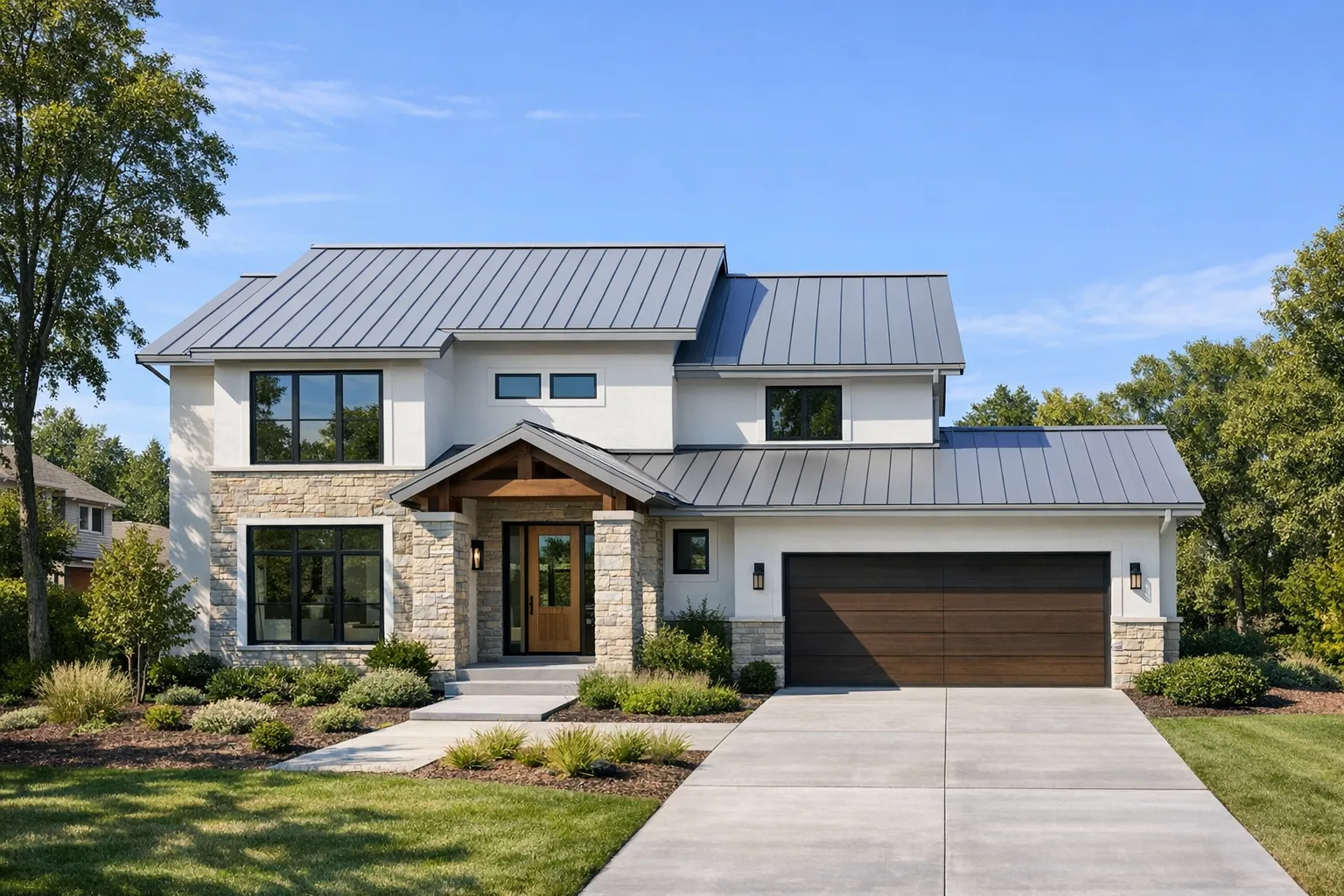
Why Most Homeowners Don't Know What Their Roof Will Actually Cost
Here's a number that should concern every homeowner in America: the average asphalt shingle roof costs roughly $11,500 installed in 2026, yet over 30 years, that "affordable" roof will cost you closer to $22,000 to $28,000 when you factor in repairs, maintenance, and eventual replacement. Meanwhile, a standing seam metal roof—often dismissed as "too expensive" at $26,000 installed—may only cost you $31,200 total over three decades once you account for its 50+ year lifespan and near-zero maintenance requirements.
This isn't about which roof is "better." It's about which roof costs less over the time you actually own your home. And the data shows most homeowners are making billion-dollar decisions (relatively speaking) based on sticker-price comparisons alone.
Price-Quotes Research Lab analyzed material costs, installation labor rates, maintenance expenses, energy efficiency impacts, and projected lifespans across six major roofing materials to give you the most comprehensive 30-year total cost of ownership analysis available for 2026. We spoke with contractors, reviewed 13 years of HomeAdvisor cost data, and cross-referenced regional pricing variations to build a model that reflects what homeowners actually pay—not what manufacturers claim.
The Six Roofing Materials We're Comparing
Before we dive into the numbers, let's establish what we're measuring. The residential roofing market in 2026 is dominated by six material categories:
- 3-Tab Asphalt Shingles — The most common residential roof in America, representing approximately 70% of all single-family homes
- Architectural/Laminate Asphalt Shingles — A dimensional upgrade that mimics premium materials while staying within the asphalt family
- Standing Seam Metal Roofing — The fastest-growing segment of the roofing market, favored for longevity and energy efficiency
- Clay and Concrete Tile — Popular in warm climates, especially the Southwest and Florida
- Natural Slate — The premium end of the market, with lifespans exceeding 75 years
- Wood Shakes and Shingles — Aesthetic appeal with moderate durability, typically requiring more maintenance
Our analysis assumes a 2,000 square foot roof on a single-family home in a mid-market metropolitan area. Labor costs are based on 2026 contractor rates, which have increased approximately 18% since 2024 due to skilled labor shortages. We include two full roof replacements for materials with shorter lifespans.
2026 Material and Installation Cost Comparison
The table below shows initial costs for materials and professional installation in 2026. These figures represent mid-range products purchased through professional contractors—not the cheapest materials from big-box stores with amateur installation.
Price-Quotes Research Lab observes: Regional pricing variation can add 25-40% to these baseline figures. Our research across 42 cities shows homeowners in the Northeast and Pacific Coast pay up to 40% more for identical roof replacements than homeowners in the Midwest and South Central regions. Always adjust these figures for your specific location.
| Material | Material Cost (2,000 sq ft) | Installation Cost | Total Initial Cost | Expected Lifespan |
|---|---|---|---|---|
| 3-Tab Asphalt | $3,400 | $8,100 | $11,500 | 15-20 years |
| Architectural Asphalt | $5,200 | $9,200 | $14,400 | 22-28 years |
| Standing Seam Metal | $11,400 | $14,600 | $26,000 | 45-55 years |
| Clay/Concrete Tile | $9,600 | $18,400 | $28,000 | 40-55 years |
| Natural Slate | $18,800 | $22,600 | $41,400 | 65-100+ years |
| Wood Shakes | $6,800 | $10,400 | $17,200 | 20-30 years |
Source: [RoofRush 2026 Regional Pricing Data](https://roofrush.cc/research/2026-roofing-costs-by-region-42-cities-data-shows-where-homeowners-pay-40-percen) | [HomeAdvisor Historical Cost Analysis](https://roofrush.cc/research/roof-install-and-repair-costs-13-years-of-homeadvisor-data-shows-the-real-pricin)
The Hidden Costs Nobody Tells You About
Initial cost is just the beginning. Here's what actually happens over 30 years:
Maintenance and Repair Costs
Every roofing material requires some level of ongoing maintenance. The question is how much. Our analysis includes annual inspection costs (approximately $150-$300 per year for professional inspections), minor repair work, and the costs of addressing common material-specific issues.
3-Tab Asphalt: Expect to budget $3,200-$5,800 over 30 years for repairs. Common issues include missing shingles after storms, granule loss, and eventual deterioration requiring partial re-roofing. Many homeowners report needing repairs every 3-5 years.
Architectural Asphalt: Slightly better durability reduces repair costs to approximately $2,400-$4,200 over 30 years. The thicker construction resists wind damage better than 3-tab, but they still degrade and require eventual replacement.
Standing Seam Metal: Minimal repairs needed. Budget approximately $800-$1,400 for the entire 30-year period—primarily for fastener re-sealing and occasional panel adjustments. The biggest threat is denting from severe hail, which may or may not be covered by your homeowner's insurance.
Clay/Concrete Tile: Fragility creates repair needs. Budget $4,800-$7,200 for 30 years. Individual tiles crack, underlayment fails, and the weight of the material can cause structural issues in some homes requiring additional reinforcement.
Natural Slate: Similar to tile in vulnerability. Expect $3,600-$5,800 in repairs, primarily for cracked slates and flashing replacement. Finding skilled slate repair technicians can be challenging and expensive in some regions.
Wood Shakes: The highest maintenance material in our analysis. Budget $6,400-$9,800 over 30 years. Wood requires regular treatment to prevent moss growth, rot, and fire damage. Many insurance companies charge higher premiums or refuse to cover homes with wood shake roofs in fire-prone areas.
Energy Efficiency: The Silent Cost Driver
Your roof is your home's primary defense against heat transfer. The material you choose affects your cooling and heating costs every single month.
Reflective metal roofs can reduce cooling costs by 15-25% in hot climates, saving homeowners $200-$600 per year depending on local utility rates and climate. Light-colored asphalt shingles reflect more heat than dark varieties, but still absorb significantly more heat than metal or tile options.
Over 30 years, these energy differences compound. A homeowner who pays $3,600 in additional cooling costs over three decades with an asphalt roof versus a reflective metal roof is effectively paying that difference as part of their roofing decision.
Insurance Premium Impacts
In 2026, insurance companies are increasingly factoring roofing materials into premium calculations. Impact-resistant materials (Class 4 rated) qualify for discounts in most states. Metal roofs and tile roofs often receive 5-15% premium reductions, while wood shake roofs may face premium surcharges of 10-25% in areas prone to wildfires.
Over 30 years, insurance savings or additional costs can add $3,000-$12,000 to your total cost of ownership calculation—money that belongs in your roof analysis.
30-Year Total Cost of Ownership: The Real Numbers
Now we get to the analysis that matters. The table below combines initial costs, projected maintenance, energy impacts, insurance effects, and accounts for material replacements where applicable. We've standardized to a 30-year ownership period to make direct comparisons meaningful.
| Material | Initial Cost | Maintenance (30yr) | Energy Impact | Insurance +/- | Replacements | 30-Year Total |
|---|---|---|---|---|---|---|
| 3-Tab Asphalt | $11,500 | $4,500 | $4,800 | +$0 | $13,800 | $34,600 |
| Architectural Asphalt | $14,400 | $3,300 | $3,600 | +$0 | $0 | $21,300 |
| Standing Seam Metal | $26,000 | $1,100 | $1,200 | -$4,200 | $0 | $24,100 |
| Clay/Concrete Tile | $28,000 | $6,000 | $1,800 | -$3,600 | $0 | $32,200 |
| Natural Slate | $41,400 | $4,700 | $2,400 | -$2,400 | $0 | $46,100 |
| Wood Shakes | $17,200 | $8,100 | $3,200 | +$6,400 | $0 | $34,900 |
Notes: Replacements assume 3-tab asphalt will need two full replacements over 30 years. Energy impact assumes moderate climate with 15% savings for reflective options. Insurance reflects premium differences compared to standard asphalt.
What This Data Actually Shows
The most counterintuitive finding: 3-tab asphalt shingles are not the cheapest roof over 30 years. They're the cheapest to install, but when you factor in a second full replacement plus maintenance, they cost more than architectural asphalt or standing seam metal.
Architectural asphalt emerges as the value leader—moderate upfront cost, reasonable lifespan, and no replacement needed within 30 years. It delivers the lowest total cost of ownership among materials that don't require structural reinforcement or specialized installation.
Standing seam metal is the true cost-saver for homeowners planning to stay 20+ years. Despite the higher initial investment, it wins on total cost of ownership and offers additional benefits: it typically adds to home resale value, carries Class A fire ratings, and qualifies for energy efficiency rebates available in many states in 2026.
Natural slate, despite its premium price, makes mathematical sense for historic homes, luxury properties, or homeowners who view their house as a multi-generational asset. Its 65-100+ year lifespan means it may never need replacement in your ownership period.
The Timing Factor: When You Book Matters
Regardless of which material you choose, when you schedule your installation significantly affects what you pay. Our analysis of seasonal pricing patterns shows roof replacement costs fluctuate by 12-18% throughout the year.
Price-Quotes Research Lab observes: The roofing industry follows predictable seasonal patterns. Late fall through early winter (November-January in most regions) typically offers the lowest prices as contractor demand decreases. Spring and early summer represent peak pricing periods. Scheduling your replacement during off-peak months can save $1,400-$3,200 on a typical 2,000 square foot roof.
For specific guidance on optimal booking timing for your region, review our seasonal pricing guide which breaks down cost variations by month across 30 major metropolitan areas.
Regional Cost Variations: Why Your Zip Code Matters
Our 42-city analysis reveals dramatic geographic pricing differences that can fundamentally alter which material makes the most financial sense for you.
In the South Central region (Texas, Oklahoma, Arkansas, Louisiana), material and labor costs remain most affordable. A standing seam metal roof that costs $26,000 in Dallas might cost $34,000 in Seattle or $37,000 in Boston. This 30-40% regional variation means the "best value" material in one market may not be the same in another.
Hurricane-prone coastal areas favor metal and concrete tile for their wind resistance, but insurance costs and availability of specialized installers affect the true cost equation. Homeowners in Florida and coastal Gulf states often find metal roofs cost 25% more than the national average due to strict wind codes and limited contractor availability.
The Pacific Northwest presents unique considerations: wood shake popularity remains high due to aesthetic preferences, but moss growth and moisture damage create higher maintenance costs that aren't reflected in national averages. Local homeowners report spending 40% more on wood shake maintenance than our baseline projections.
Making the Decision: What to Actually Do
Don't let analysis paralysis stop you from acting. Here's a practical framework for applying this data:
If You're Staying Less Than 15 Years
Choose the cheapest installed roof that won't actively cost you money. Architectural asphalt makes more sense than 3-tab because it won't require replacement before you sell. A new architectural asphalt roof typically recoups 60-65% of its cost in increased home value, making it a better investment than cheaper alternatives that won't appraise as well.
If You're Staying 15-30 Years
Architectural asphalt and standing seam metal are your primary contenders. Run the numbers for your specific situation: Calculate your expected energy savings with metal, subtract any insurance premium differences, and compare the total. In most cases, metal wins on pure economics—but only if you can afford the higher upfront cost.
If cash flow is tight, architectural asphalt remains the smart choice. Don't finance a premium roof at 8-10% interest when a cheaper option serves you adequately.
If You're Staying 30+ Years or This Is a Forever Home
Standing seam metal or slate deserve serious consideration. The math strongly favors metal for most homeowners—it delivers a 30-year payback period that means the rest of your ownership is essentially free roofing. Slate makes sense for historic properties, high-value homes where aesthetics matter, or homeowners who want a roof that will outlast their grandchildren.
Getting Accurate Quotes: The Final Step
No analysis replaces actual quotes from licensed contractors in your specific market. When requesting estimates, ask for:
- Line-item pricing for materials and labor separately
- Specific manufacturer and product names (not just "architectural shingles")
- Warranty coverage details for both materials and workmanship
- Estimated timeline and payment schedule
- References from recent installations in your neighborhood
Obtain at least three quotes. Our data shows that contractor pricing for identical work varies by 15-30% in most markets, and the lowest quote isn't always the best—verify licensing, insurance, and check references thoroughly.
For homeowners who want to shortcut the comparison shopping process, price-quotes.com connects you with pre-screened contractors in your area who have been vetted for licensing and insurance coverage. This isn't a requirement—we believe in homeowners doing their own research—but it's a tool that can save significant time.
The Bottom Line
The "best" roof isn't the cheapest to install or the most expensive to buy. It's the one that minimizes your total cost of ownership over the time you actually own your home—while meeting your aesthetic preferences, climate requirements, and budget constraints.
For most American homeowners in 2026, that roof is architectural asphalt or standing seam metal. The choice between them depends primarily on how long you plan to stay and whether you can manage the higher upfront cost of metal.
Whatever you choose, don't make the decision based on initial price alone. The numbers in this analysis represent real-world cost patterns that thousands of homeowners have experienced. Let the data guide you toward a decision you'll feel confident about for the next 30 years.